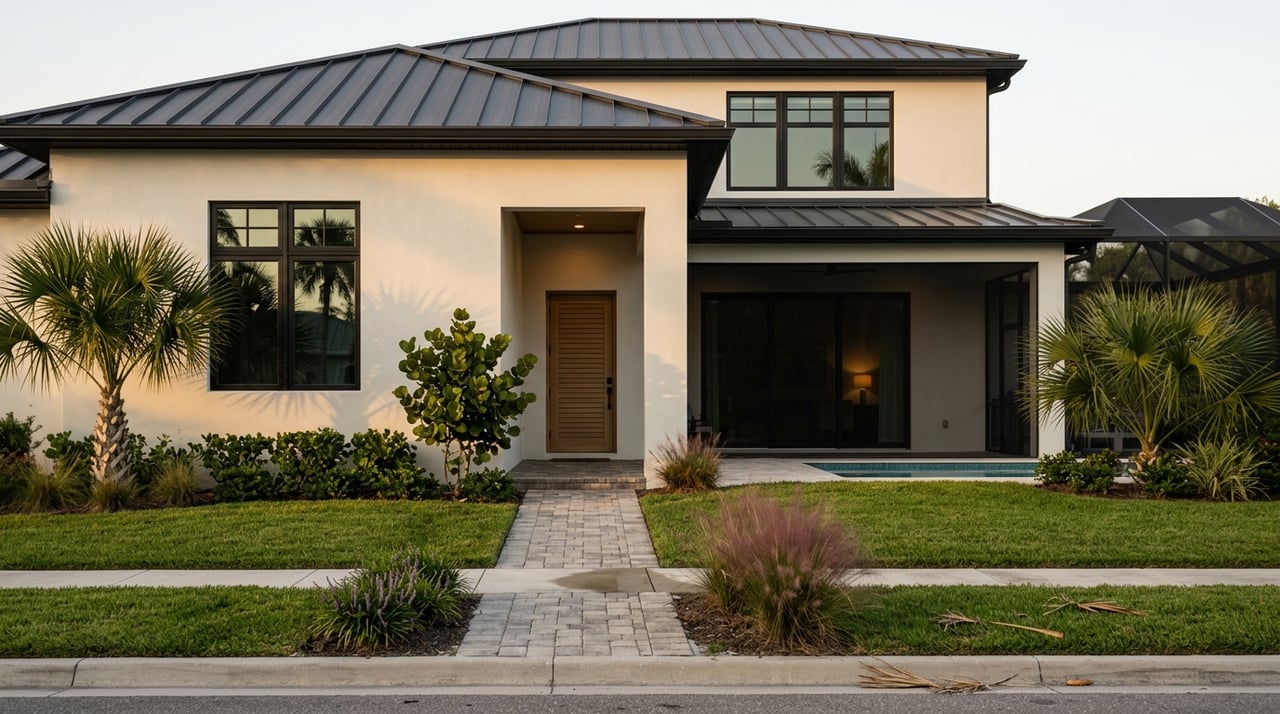
Dreaming about a place where you can wake up near the ocean, slow down, and still make a smart long-term real estate decision? If you are considering a second home or retreat in Melbourne Beach, you are likely balancing lifestyle goals with practical questions about costs, risk, and future flexibility. The good news is that this small barrier-island town offers a very specific kind of coastal ownership experience, and understanding that local context can help you buy with more confidence. Let’s dive in.
Why Melbourne Beach Feels Different
Melbourne Beach is not a high-rise resort corridor. According to the town’s comprehensive plan, it is predominantly residential, with single-family subdivisions, several multi-family developments, and a commercial strip along Ocean Avenue.
That matters if you want a second home that feels like a true retreat rather than a vacation district. The local character is shaped more by full-time and part-time homeowners than by dense tourism activity, which can appeal to buyers looking for a quieter coastal setting.
Melbourne Beach Is a Barrier Island
Before you fall in love with a floor plan or view, it helps to understand the geography. Melbourne Beach sits on a narrow barrier island, with the Atlantic Ocean on one side and the Indian River Lagoon on the other.
The town’s planning documents note that the entire town is a coastal area and that in some places there are less than 5,000 feet between the ocean and the lagoon. That setting is a big part of the appeal, but it also means flood-prone areas, storm exposure, coastal construction rules, and evacuation planning are part of ownership from day one.
What This Means for You
If you are buying a second home here, your decision should go beyond finishes and location alone. You will also want to think through:
- flood exposure by address
- insurance costs and coverage details
- storm preparation responsibilities
- how easy the home will be to secure when you are away
- whether the property’s layout and construction fit your long-term plans
This is where local guidance matters. A beautiful beach-area property can still be the right choice, but you want clear eyes going in.
Housing Stock Leans Single-Family
Melbourne Beach is heavily weighted toward low-density residential use. The town’s land-use plan lists 73.4% of land as single-family and just 4.3% as multi-family, and it projects the housing stock as roughly 87% single-family detached.
For many second-home buyers, that is a plus. If your goal is a private coastal retreat, a detached home often offers more of the lifestyle benefits people picture when they imagine owning in Melbourne Beach, including yard space, storage, and more separation from neighboring properties.
The plan also reports that about 85% of homes are owner-occupied. That is another signal that this market functions more like a homeowner town than a transient lodging market.
Land Supply Is Tight
One of the most important long-term value signals in Melbourne Beach is simple: there is not much room left to build. The town identifies only 5.06 acres of vacant land, along with six vacant platted single-family parcels and one vacant multi-family parcel.
That does not guarantee appreciation, and no market moves in a straight line. Still, in a small, largely built-out coastal town, limited land supply can support long-term resale appeal, especially for well-located homes with strong access to the beach, lagoon, or other desirable features.
Why Scarcity Matters
When you buy a second home, you are often thinking in two directions at once. You want a property that fits your life now, but you also want one that makes sense if you hold it for years or eventually sell it.
In Melbourne Beach, scarcity tends to be part of that conversation. The town’s low-density pattern and limited remaining vacant land suggest that future supply growth is constrained, which can make location quality even more important.
What Prices Suggest Right Now
Public market trackers place Melbourne Beach in a higher-priced coastal bracket, though they measure different things. Zillow reported an average home value of $624,742 as of April 30, 2026, while Realtor.com showed a median listing price of $749,000, with 231 homes for sale and a median of 85 days on market.
Realtor.com also reported homes selling at about 96% of asking price. Taken together, those numbers suggest a market where pricing matters, inventory exists, and buyers still need to evaluate value carefully.
For a second-home purchase, that usually means looking beyond the headline price. You also want to weigh carrying costs, use plans, and how the home may perform for you over time.
Budget Beyond the Purchase Price
A second home budget in Melbourne Beach should include more than mortgage and closing costs. Brevard County property taxes are due annually, and the county tax collector states that owners are responsible for knowing taxes are due and paying before delinquency, even if a bill does not arrive.
That is especially important for part-time owners who may have a different mailing setup or spend part of the year elsewhere. Taxes should be treated as a fixed annual ownership cost, not something to revisit later.
Homestead Rules for Second Homes
Florida’s homestead exemption generally applies only to a permanent primary residence. The Florida Department of Revenue says the property must be the owner’s permanent residence, or the permanent residence of a dependent, and the exemption can reduce taxable value by up to $50,000.
For a true second home, that benefit usually does not apply. If the property later becomes your primary residence, the tax picture may change, and the Department of Revenue lists the 2026 Save Our Homes cap at 2.7%.
Flood Risk Should Be Checked Early
In Melbourne Beach, flood risk is not a side issue. It is one of the main ownership variables you should review before closing.
FEMA’s Flood Map Service Center is the official source for flood maps by address, and FEMA notes that most homeowners insurance does not cover flood damage. Since the town also identifies flood-prone areas as a major planning concern and regulates coastal construction and floodplain management, flood review should happen early in your search, not at the end.
A Simple Flood Review Checklist
Before you move forward on a property, make sure you understand:
- the property’s flood map designation
- whether flood insurance may be required or advisable
- the home’s elevation and site-specific exposure
- any visible signs of water vulnerability or coastal wear
- how flood and storm costs affect your total monthly and annual budget
A home can still be a great fit, but the right purchase is one where the full cost of ownership is clear.
Utilities and Ongoing Services Matter Too
Even if you only use the home part of the year, recurring services still matter. The town’s plan says potable water is provided by the City of Melbourne, sanitary sewer by Brevard County, and solid waste and recycling by a private collection service under town contract.
That means ownership costs may involve multiple providers rather than one simple utility bill. For second-home buyers, it is wise to plan for these ongoing obligations from the start so the home remains enjoyable and manageable.
Personal Retreat or Future Rental?
This is one of the biggest decision points for second-home buyers. If the property is purely for your own use, your focus may be lifestyle, maintenance, and long-term resale.
If you might rent it out at some point, even occasionally, the rules can change quickly. Florida law defines a transient public lodging establishment as a property rented more than three times in a calendar year for periods of less than 30 consecutive days, or advertised as a place regularly rented for less than 30 days.
That threshold matters because a vacation rental can fall into a regulated category under state law. In practical terms, if you plan to use the home as a short-term rental, you need to look at more than just whether the property is attractive to guests.
Short-Term Rental Compliance in Melbourne Beach
If a property will be used as a short-term rental, there may be several layers of compliance, including:
- Town of Melbourne Beach vacation-rental registration
- state licensing through DBPR for public lodging or vacation rental operations
- Brevard County Tourist Development Tax obligations for rentals of six months or less
Brevard County’s Tourist Development Tax is 5%, and the county states that collection moved from the tax collector to the clerk of court effective October 1, 2025. This is a good example of why local and state rules should be part of your buying strategy before you close, not after.
Part-Time Ownership Practicalities
Owning a second home means thinking about the weeks or months when you are not there. Melbourne Beach offers a useful local service through the police department’s vacant or vacation house check request.
The town says owners can request house checks while away, subject to a 60-day limit and a keyholder requirement. It is a small but meaningful sign that the town is familiar with seasonal or intermittent occupancy.
Smart Planning When You Are Away
A second home is easier to enjoy when you plan for absence just as carefully as presence. Consider building a routine around:
- secure locks and storm prep steps
- a trusted local keyholder
- recurring maintenance checks
- utility and service account monitoring
- house-check options when eligible
These practical details can protect both your peace of mind and your property.
How to Think Strategically About Value
The strongest long-term value story in Melbourne Beach is not rapid expansion. It is location, scarcity, and the appeal of a small, low-density coastal town.
At the same time, the very features that make the area special also create real ownership considerations. Flood exposure, insurance costs, and evacuation planning should be priced into your decision just as much as beach access or architectural style.
For many buyers, the right second home in Melbourne Beach is one that balances both sides of the equation. It should support the life you want to live now while still making sense as a carefully chosen real estate asset over time.
If you are weighing options in Melbourne Beach, a thoughtful local strategy can make all the difference. SoldbySusieo can help you evaluate lifestyle fit, market position, and long-term value so you can move forward with clarity.
FAQs
What makes Melbourne Beach different for a second-home buyer?
- Melbourne Beach is a small barrier-island town that is predominantly residential, with housing that leans heavily toward single-family homes rather than a dense resort-style setting.
What should buyers know about flood risk in Melbourne Beach?
- Flood risk is a major part of ownership in Melbourne Beach, so you should review the official flood map by address early and factor possible insurance and storm-related costs into your budget.
Can a Melbourne Beach second home qualify for Florida homestead exemption?
- Generally, no. Florida homestead exemption is intended for a permanent primary residence, not a true second home.
Can you short-term rent a second home in Melbourne Beach?
- Possibly, but short-term rental use can trigger Florida transient-rental rules, state licensing requirements, town registration, and Brevard County Tourist Development Tax obligations.
What ownership costs matter for a second home in Melbourne Beach?
- In addition to the purchase price, you should budget for annual property taxes, insurance, utilities, sewer, water, waste service, and ongoing maintenance for times when the home is vacant.