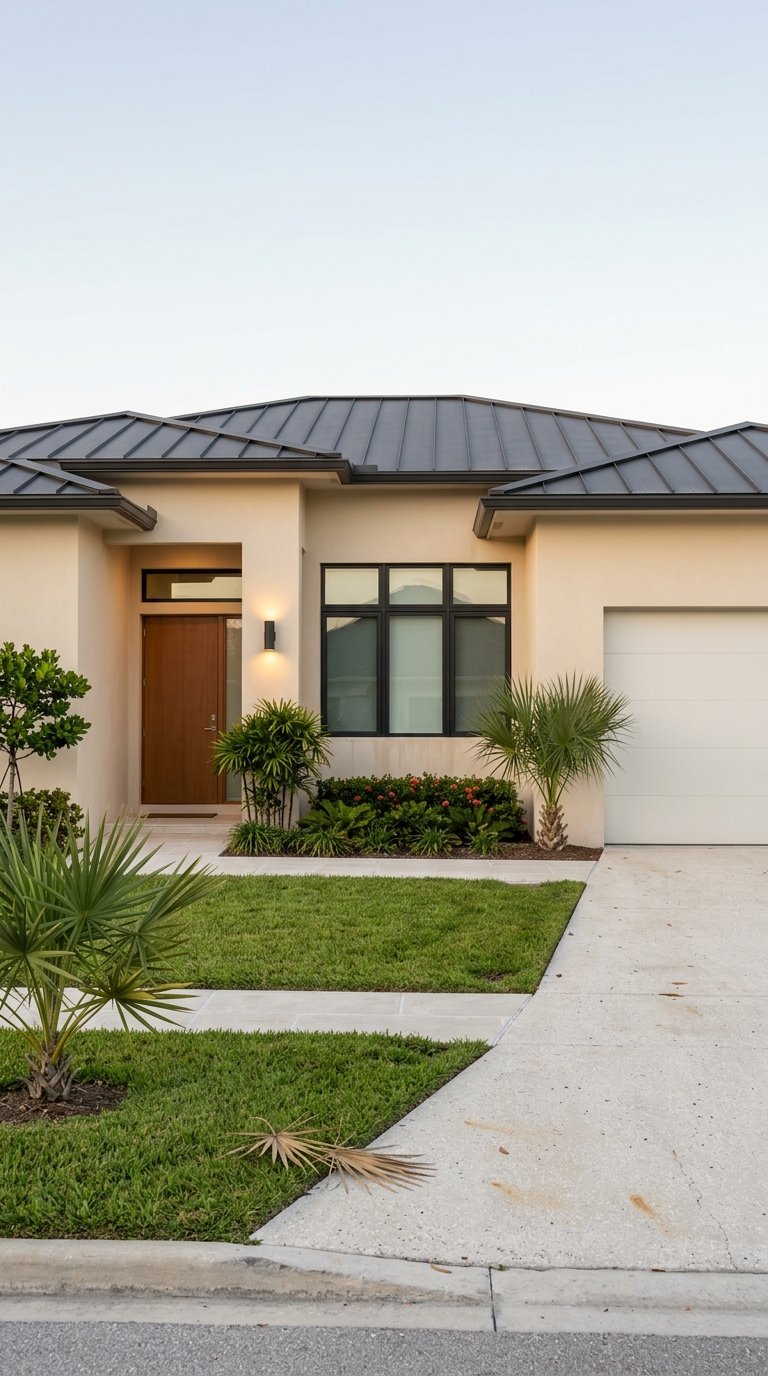
Wondering why some Melbourne homes attract strong interest right away while others sit and chase price cuts? In a market where buyers are comparing location, condition, insurance costs, and recent sales all at once, pricing your home correctly from day one matters more than ever. If you want to sell with less stress and stronger positioning, a smart pricing strategy can help you protect your leverage and make confident decisions. Let’s dive in.
Why pricing matters in Melbourne
Melbourne is not a one-size-fits-all market. The city spans mainland and barrier-island areas along the Indian River Lagoon, and that variety can shape buyer demand in very different ways depending on where your home is located. The City of Melbourne also points to its role as an economic engine in Brevard County, which adds another layer to how buyers view value on the Space Coast.
Current market data shows why pricing needs to be realistic. Redfin’s Melbourne market page shows a median sale price of $315,000 and 64 days on market, while Realtor.com’s Brevard County market data shows a $370,000 median sale price, a 98% sale-to-list ratio, and homes selling about 2.5% below asking on average. In other words, buyers are active, but they are still paying close attention to value.
That balanced-market dynamic means your list price should do two jobs at once. It needs to attract attention early and hold up under buyer scrutiny once showings begin. If your home misses the mark, even by a modest amount, it can lose momentum in those first critical weeks.
Build price from closed sales
A realistic list price starts with the right data. The Brevard County Property Appraiser explains that market value is based on current market trends, comparable sales, and property-specific details like location, size, improvements, and zoning. That is a useful reminder that pricing should reflect what buyers have actually paid, not just what sellers hope to get.
Closed sales usually deserve more weight than active listings. Active listings show competition, but closed sales show where buyers were willing to commit. In a county where homes are selling below asking on average, leaning too heavily on optimistic active listings can push your price above what the market will support.
This is especially important in Melbourne because the pricing range is wide. Realtor.com’s Melbourne overview shows nearby neighborhoods and ZIP codes ranging from roughly the mid-$200,000s to well over $1 million. A beachside property, an inland home, a newer build, and an older home with deferred maintenance may all appeal to different buyers and justify very different pricing strategies.
Account for your home’s condition
Condition is one of the biggest pricing levers you control. Buyers may forgive a smaller footprint or an older finish package if the home feels clean, cared for, and move-in ready. They are usually less forgiving when a home looks cluttered, unfinished, or harder to maintain.
That matters because presentation can affect both value and timing. According to the National Association of Realtors 2025 staging survey, 29% of agents said staging increased the dollar value offered by 1% to 10%, and 49% said staging reduced time on market. The same report notes that decluttering, cleaning, and curb appeal improvements are among the most common seller recommendations.
Before choosing your list price, think about how your home will compare in photos, online searches, and in-person showings. If your home is polished and ready, you may be able to price closer to the top of a relevant comp range. If it needs work, a more measured price can help buyers feel they are seeing fair value.
Avoid the overpricing trap
It is easy to think you can test a higher number and reduce later if needed. In practice, that approach often costs sellers time and negotiating power. The earliest days on market are usually when your listing gets the most attention, and that first impression is hard to recreate.
Zillow’s pricing research found that homes that sold soon after listing sold for about 1% below list price, while homes on the market for around two months sold about 5% below list price. Homes that lingered for roughly eleven months sold about 12% below list. That pattern supports what many sellers experience firsthand: overpricing can lead to more days on market, weaker urgency, and larger concessions later.
That trend lines up with local conditions. Since Brevard County homes are selling about 2.5% below asking on average, starting too high can mean you spend the first few weeks adjusting downward instead of capturing serious buyers while your listing still feels fresh.
Know the difference between strategic and too low
Some sellers worry that pricing realistically means leaving money on the table. That is not necessarily true. Smart pricing is not the same as underpricing. The goal is not to give your home away. The goal is to position it where the broadest pool of serious buyers sees it as fair and compelling in week one.
A lower list price can sometimes create urgency if multiple buyers are likely to compete. But in a balanced market, that outcome is not guaranteed. A safer strategy is often to price tightly within the most relevant comp range so buyers feel confident stepping forward, rather than waiting to see if a reduction is coming.
Strategic pricing helps you preserve options. It can support stronger showing activity, reduce the risk of stale-market perception, and give you better footing when offers arrive.
Factor in Melbourne-specific costs
Location within Melbourne can affect more than curb appeal or commute patterns. Because the city includes both mainland and barrier-island areas, buyers may also compare flood exposure, insurance costs, and maintenance expectations as part of their decision-making. Those factors can shape how aggressively a buyer responds to your list price.
The city’s geography makes that especially relevant here, and Brevard County’s floodplain resources help explain why location-sensitive pricing matters. If your home has features or a setting that bring added carrying costs, buyers may build that into what they are willing to offer. Pricing should reflect the full ownership picture, not just square footage and finishes.
There is also a tax side buyers may consider. For primary residences, the Brevard County homestead exemption information explains how taxable value may be reduced if eligibility and filing deadlines are met. While that is not a direct pricing input, it can influence how some buyers think about monthly affordability.
Pair timing with price
Pricing and timing work best when planned together. If your home enters the market at the right number during a strong seasonal window, you improve your odds of better traffic and fewer reductions. If either piece is off, your sale can lose momentum.
Realtor.com’s 2026 seasonal analysis found that the best week to list nationally was April 12 through April 18, with homes historically seeing 16.7% more views, selling about nine days faster, and seeing fewer price reductions than average. The report also notes that sellers in the South may benefit from listing in early spring before competition rises later.
For Melbourne sellers, that insight matters because homes may already spend several weeks on the market under normal conditions. If average market time is around 50 to 64 days based on current area data, a pricing miss can affect your entire timeline. Starting from a strong position often matters more than trying to correct course later.
A simple pricing checklist
Before you list your Melbourne home, make sure your pricing review includes:
- Recent closed sales that truly match your home’s location, size, age, and condition
- Active competition that buyers will compare side by side
- Property-specific factors like updates, layout, lot, and setting
- Condition and presentation, including cleaning, decluttering, and curb appeal
- Location-sensitive costs such as flood or insurance considerations
- Seasonal timing and current days-on-market trends
When these pieces come together, your list price becomes more than a guess. It becomes a strategy.
The smartest price is credible
The best pricing strategy is usually the one that feels credible to buyers the moment they see your home hit the market. In Melbourne, that means looking beyond broad averages and focusing on what makes your property competitive right now. Closed comps, condition, location, timing, and buyer carrying costs all play a role.
If you want a pricing plan that balances lifestyle value with market reality, working with an experienced local advisor can make the process much clearer. Susie Oliver offers personalized guidance for Brevard County sellers who want smart pricing, strong negotiation, and a steady strategy from listing through closing.
FAQs
What is the best pricing strategy for selling a home in Melbourne, FL?
- The strongest approach is usually to price your home using recent closed sales, current competition, property condition, and Melbourne-specific factors like location and potential flood or insurance sensitivity.
How far below asking are homes selling in Brevard County?
- According to Realtor.com market data cited in this article, homes in Brevard County are selling about 2.5% below asking on average.
Why do closed sales matter more than active listings when pricing a Melbourne home?
- Closed sales show what buyers actually paid, while active listings only show what other sellers are hoping to get.
Does home condition affect list price in Melbourne, FL?
- Yes. Cleaning, decluttering, curb appeal, and staging can affect buyer perception, time on market, and the offers a seller receives.
When is a good time to list a home for sale in Melbourne?
- Early spring can be a strong window, and Realtor.com’s 2026 seasonal analysis identified April 12 to April 18 as the best week to list nationally based on views, speed, and fewer price reductions.
Should you underprice a home to create a bidding war in Brevard County?
- Not always. In a balanced market, a more reliable strategy is often to price tightly within the appropriate comp range rather than count on multiple offers materializing.